March 18, 2026
Boat ownership brings tremendous enjoyment but also serious responsibilities for maintaining vessels in safe, seaworthy condition that protects everyone aboard from preventable accidents and emergencies. Many boat owners postpone necessary repairs due to cost concerns, busy schedules, or simple procrastination, not fully appreciating how seemingly minor maintenance issues can escalate into life-threatening situations on the water. Unlike automotive problems that might leave you stranded roadside near assistance, boat failures occur in environments where help may be distant and conditions can deteriorate rapidly. Understanding the serious safety implications of deferred maintenance motivates boat owners to prioritize repairs and address issues promptly rather than gambling with passenger safety through neglect. The difference between safe, enjoyable boating experiences and tragic accidents often comes down to whether owners maintained their vessels properly or allowed known problems to persist until they caused failures at the worst possible moments.
Engine Failures Leading to Loss of Control
According to the United States Coast Guard News, the fatality rate in 2024 was nearly five deaths per 100,000 registered recreational vessels. Delaying engine repairs creates serious risks of mechanical failures that leave boats adrift in shipping lanes, rough water, or near hazards where loss of propulsion creates immediate danger. Engine problems that seem manageable in calm conditions near shore become life-threatening when motors quit in heavy seas, strong currents, or areas with limited room to maneuver safely. Cooling system leaks, fuel system issues, or electrical problems that owners postpone addressing can cause complete engine failures without warning when boats are miles from shore or in dangerous conditions. Partnering with a reliable boat repair services company for prompt engine maintenance ensures your propulsion system remains dependable when you need it most, rather than failing during critical moments when passenger safety depends on reliable power.
Steering System Failures Causing Loss of Directional Control
Steering malfunctions represent some of the most dangerous boat failures because they eliminate your ability to avoid collisions, navigate safely, or respond to changing conditions effectively. Cable wear, hydraulic leaks, or mechanical linkage problems that boat owners ignore gradually worsen until complete steering failure occurs unexpectedly during operation. Loss of steering control while underway can result in collisions with other vessels, fixed objects, or running aground in shallow areas that damage boats and injure passengers. Even partial steering problems that owners tolerate create dangerous situations where boats don't respond predictably to helm inputs, increasing accident risks every time vessels leave the dock.
Structural Damage Compromising Hull Integrity
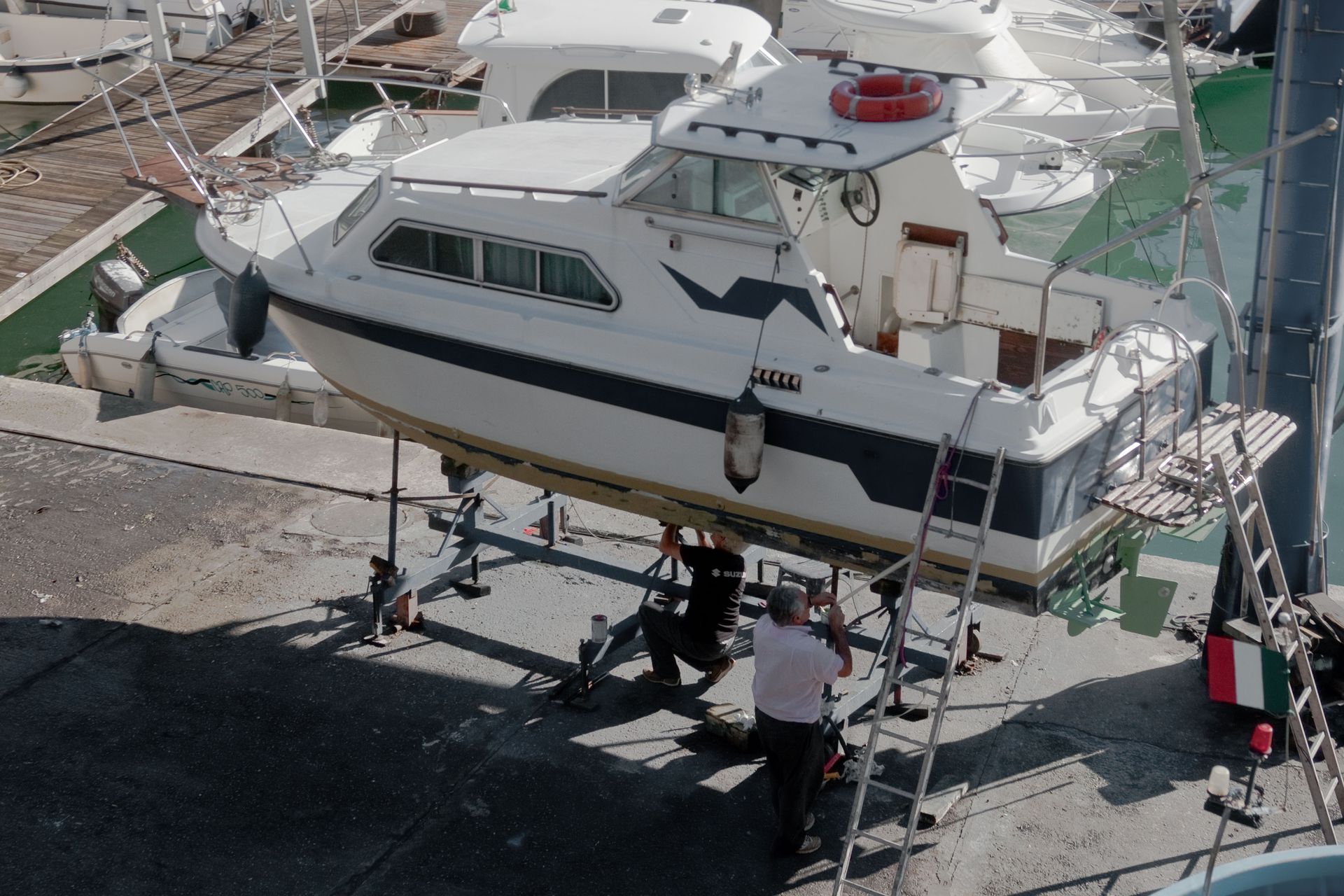
Cracks, delamination, or impact damage to fiberglass hulls may seem like cosmetic issues, but actually compromise structural integrity that protects passengers from sinking or catastrophic hull failures. Water intrusion through damaged gelcoat or fiberglass penetrates core materials, causing rot or delamination that weakens structures invisibly beneath surface cosmetic damage. Transom damage from outdated or improperly maintained mounting systems can fail catastrophically, allowing engines to tear away from boats and creating immediate sinking hazards. Consulting with a professional boat repair services company about structural damage ensures problems are properly assessed and repaired before they progress to dangerous levels that threaten vessel integrity and passenger safety on the water.
Electrical System Problems Creating Fire Hazards
Electrical issues represent serious fire risks on boats where escape options are limited, and help may be distant when fires develop from faulty wiring or connections. Corroded connections, damaged wiring insulation, or overloaded circuits that owners neglect create conditions where electrical fires can ignite suddenly without warning. Boats contain flammable materials, including fuel, upholstery, and fiberglass that burn intensely once ignited, making electrical fires especially dangerous in marine environments. Moisture exposure accelerates electrical system deterioration, meaning problems that might develop slowly in dry environments progress rapidly on boats and require prompt professional attention rather than continued neglect that increases fire risks every time vessels operate.
Fuel System Leaks Causing Explosion Risks
Fuel leaks create explosive vapor accumulation in enclosed spaces like engine compartments and bilges, where ignition sources can trigger devastating explosions and fires. The smell of gasoline that many boat owners tolerate indicates dangerous fuel leaks that require immediate professional repair rather than continued operation, hoping problems won't worsen. Deteriorated fuel lines, loose fittings, or damaged fuel tanks that owners postpone addressing can fail and flood compartments with gasoline that only needs a spark to cause catastrophic explosions. Working with a qualified boat repair services company to address fuel system issues immediately protects passengers from the explosion and fire risks that delayed repairs create every time contaminated boats start engines or operate electrical systems near accumulated fuel vapors.
Bilge Pump Failures Allowing Progressive Flooding
Bilge pumps represent your last line of defense against sinking when water enters your boat through leaks, following seas, or other sources that threaten to overwhelm vessels. Non-functional bilge pumps that owners ignore leave boats vulnerable to sinking from water accumulation that working pumps would evacuate before reaching dangerous levels. Float switch failures, clogged intake screens, or electrical problems that prevent pumps from operating automatically can allow boats to sink at docks or while unattended on moorings. Regular testing and prompt repair through a qualified boat repair services company of bilge pump systems ensures this critical safety equipment functions when needed, rather than discovering pump failures only after boats have already taken on dangerous amounts of water.
Navigation Light Failures Increasing Collision Risks
Non-functional navigation lights make your boat invisible to other vessels during darkness or reduced visibility conditions when proper lighting prevents collisions. Operating with inoperative lights violates navigation rules and creates serious liability when resulting collisions injure passengers or damage property that could have been avoided with proper lighting. Other boaters depend on seeing your navigation lights to determine your position, direction, and right-of-way status in situations where collisions occur in seconds without proper visual information. Addressing light failures promptly through a professional boat repair services company ensures your vessel remains visible and legally compliant, rather than creating dangerous situations where other boats cannot see you until a collision becomes unavoidable.
Safety Equipment Deterioration Leaving Passengers Unprotected
Life jackets, fire extinguishers, distress signals, and other safety equipment deteriorate over time and require regular inspection and replacement that many boat owners neglect. Expired fire extinguishers, degraded life jacket flotation, or outdated distress signals may appear functional but fail when actually needed during emergencies. Regulations require specific safety equipment quantities and types based on vessel size and use, and non-compliant boats risk citations beyond the safety implications of inadequate emergency gear. Professional inspections from a trusted boat repair services company identify safety equipment deficiencies and ensure you carry proper, functional emergency equipment rather than relying on outdated or insufficient gear that won't protect passengers when emergencies occur.
Propeller Damage Creating Vibration and Mechanical Stress
Damaged propellers from striking underwater objects create vibrations that stress engines, shafts, and hull components while reducing performance and increasing fuel consumption. These vibrations accelerate wear on expensive mechanical components and can cause failures of engine mounts, shaft seals, or transmission components that leave boats disabled. Running damaged propellers also creates unpredictable thrust that affects boat handling and control, making vessels harder to maneuver safely in tight quarters or challenging conditions. Prompt professional assessment and repair of propeller damage through a qualified boat repair services company prevents the cascading mechanical problems and handling difficulties that develop when damaged propellers continue operating and stressing entire propulsion systems beyond design limits.
The serious safety implications of deferred boat maintenance extend far beyond inconvenience or financial concerns, directly affecting the lives and safety of everyone aboard your vessel. Unlike many mechanical problems on land, where failures create inconvenience rather than danger, boat failures often occur in environments where conditions can deteriorate rapidly, and help may be distant or impossible to reach quickly. Understanding these risks motivates responsible boat ownership that prioritizes safety through proper maintenance rather than gambling with passenger lives through neglect of known problems or deferral of necessary repairs. Whether you need fiberglass repair, transom repair, full boat repair, custom paint jobs, gelcoat repair, brightwork, electronic rewiring, metal fabrication, boat winterizing, spring commission, boat haul and launch, boat storage, bottom painting, shrink wrapping, boat washing, or boat detailing, Cape Cod Refit & Refinish LLC has been in business since 2018, brings over 20 years of experience, and provides free estimates. For more information, contact us today!